Booking a dog boarder in Devon feels simple until you are standing in a wet car park, handing over a lead and hoping you have made the right call. Most of the worry comes from not knowing what to ask before the decision is made.
Devon has everything from licensed kennels on the edge of Dartmoor to a family who take two dogs at a time into their own home. Both can be excellent. What separates the good ones is detail: how they handle medication, what happens at two in the morning, how they manage a nervous collie and a bouncy labrador under the same roof. Here are the questions worth asking, and what a good answer sounds like.
Start with the licence
Anyone who boards dogs for payment in England needs a licence from their local council, and home boarding and day care have their own conditions attached. Scotland and Wales run their own schemes. Ask which licence they hold and what it covers, because it is not a formality — it is the paperwork that sits behind the welfare standards.
What the licence tells you
A licence sets a maximum number of dogs, and that number is the one to pay attention to. If a boarder is licensed for four dogs and cheerfully tells you they have nine staying over half term, the licence is not being followed.
1. Can I see your licence, and does it cover what I am booking? A good boarder will send a copy or show you without hesitation.
2. How many dogs do you look after at once, and how are they separated? Push for specifics on feeding times, bedtime and any dog who needs space. "A few" is not an answer.
Insurance, vets and the decisions you would rather not make
Ask about insurance properly rather than accepting "we're covered". You want public liability plus care, custody and control cover, which is the part designed to protect animals in their care. If you are unsure what your own policy includes while your dog is boarded, check the documents or speak to your insurer.
3. Are you insured, and can I see the certificate? Straightforward question, straightforward answer.
4. What happens if my dog needs a vet out of hours? Which practice do they use? Will they authorise treatment up to a limit and ring you first? Write down your vet's details, your dog's conditions, allergies and a spending limit you are comfortable with, and be clear about what you want done if you cannot be reached.
5. How do you handle medication or an ongoing condition? Dosages, timings and a written log. Ask who is responsible on the days the usual person is out.
Exercise, routine and the shape of a day
Do not ask about a typical day. Ask them to describe yesterday. You will learn more from a real one than from a polished version.
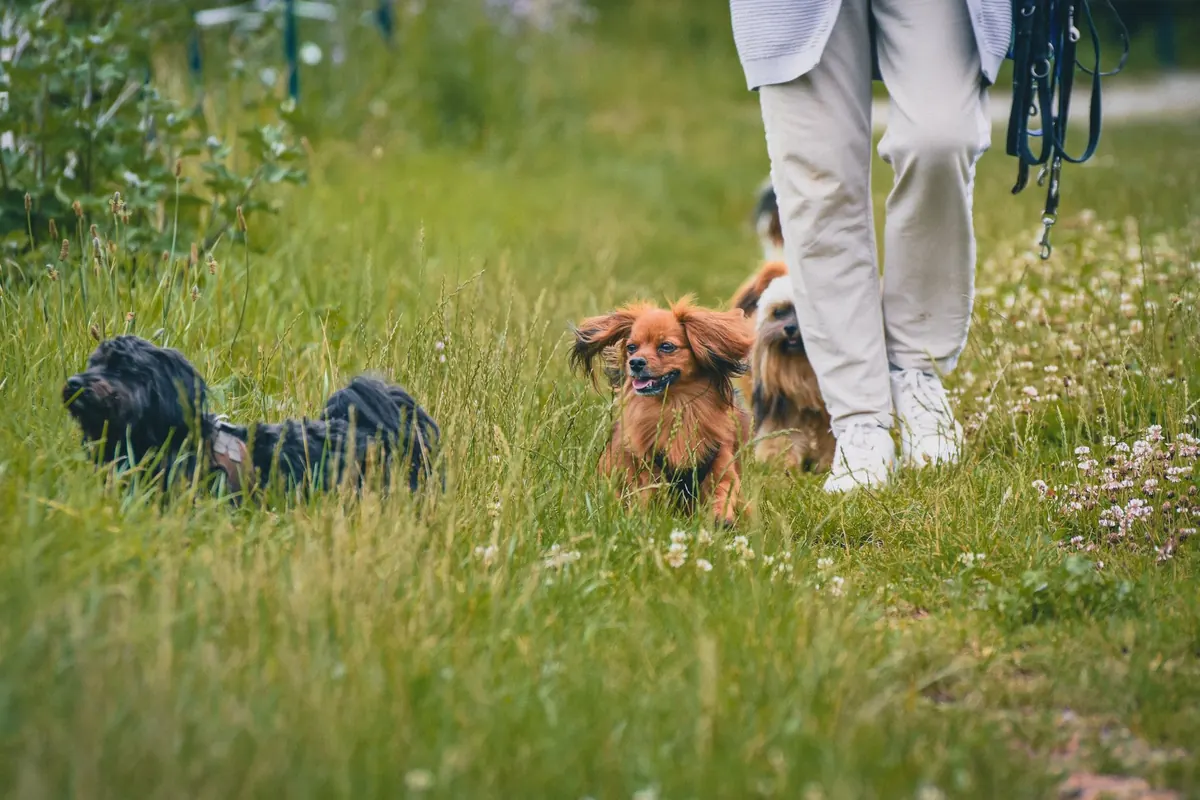
6. How many walks a day, how long, and where? A two-hour off-lead romp on a beach is heaven for some dogs and chaos for a dog with unreliable recall. Say what yours can and cannot do.
7. How do you match dogs on walks and in the house? What happens when two do not get along? Where does a dog go when they have had enough of company?
8. What do you feed, and when? Sudden food changes upset stomachs. A boarder who is happy to keep your dog's food and mealtimes is usually paying attention to the small things too.
Trial nights: the small test that prevents big problems
One overnight in May tells you far more than a two-week stay in August. If a boarder offers a trial night, take it, even if it costs a little extra.
9. Can we book a trial night first, and will you tell me honestly how it went?
Reading the feedback
"He was fine" is not feedback. You want to know when he settled, whether he ate, how he slept, and what he did for the first hour.
A boarder who reports the wobbles as well as the wins is one you can trust with a longer stay.
Separation anxiety: the questions owners avoid
Say it plainly rather than hoping it will not show. "He cries for the first hour when I leave and follows me from room to room." Anyone experienced has heard it before and will not flinch. Hiding it sets your dog up to struggle.
10. How do you settle a dog who finds being left hard? Listen for practical answers: arrivals and departures kept low-key, a dog allowed to sleep near people, time alone built up gradually, a radio left on, no long stretches shut away while distressed.
11. Will my dog get one-to-one attention, or is it a group all day? Constant company exhausts some dogs. Ask how they handle an overwhelmed dog and where that dog can rest undisturbed.
12. How will you keep in touch, and what should I tell you? A photo on the first evening, a message after the first night, and a phone number that works. Then tell them what normal looks like for your dog: the noise they make, the food they refuse, the corner they hide in.
A short checklist for the handover
- Vaccination record, plus kennel cough vaccination if the boarder asks for it
- Contact numbers, including someone local who can step in while you are away
- Vet details, insurance policy number and written consent with a spending limit
- Food measured out, with a little extra in case you are delayed
- Medication labelled with dose and time, plus a spare few days' supply
- Lead, harness, collar with an up-to-date ID tag, and a bed or blanket that smells of home
- A one-page note: routine, the commands you use, allergies, and anything that frightens your dog
Visit before you book if you can, and take your dog. Watch whether the boarder greets them quietly or with a rush of hands, and whether they ask about your dog's habits before talking about their own setup. The right person will not mind twelve questions. They will probably have a few for you.
Photo: Plato Terentev / Pexels