Bringing a new dog home is a brilliant feeling, whether it's a wriggling puppy from a breeder near Exeter or a rescue greyhound who has decided your sofa is hers now. Somewhere between buying the bed, the bowls and roughly four hundred tennis balls, there's one job that matters more than any of the shopping: registering your dog with a vet. In Devon it's straightforward once you know the steps, but a few decisions early on make life much easier if your dog ever needs urgent care.
Finding the right practice near you
Devon is a big county, and the distance between towns matters more here than in a city. A practice that looks close on a map might be a forty-minute drive down lanes in February. Before you register, think about the journeys you'll realistically make: routine appointments, repeat visits for a poorly dog, and the emergency dash you hope never happens.
Start with recommendations from people who live nearby. Dog walkers, groomers, neighbours at the park and local Facebook groups are usually honest about which practices are good with nervous dogs, which run on time, and which are hard to get through to on the phone.
What to check before you commit
- Is the practice taking on new clients? Some popular surgeries close their lists.
- How does out-of-hours cover work? Many practices share an emergency service, so ask where you'd actually go at 2am.
- Does it suit your dog? A practice with separate cat and dog waiting areas, or quiet appointment slots, helps a anxious rescue settle.
- Are the vets happy to treat your dog's specific needs, from a brachycephalic breed to a working spaniel with endless ear trouble?
- Can you park? Sounds trivial until you're wrestling a muddy labrador in a tight lane.
Registering and booking the first appointment
Registration itself is usually simple: a phone call or an online form, and the practice sets up your dog's record. Many register new pets for free and only charge when your dog is seen. Try to book the first appointment within a few days of your dog arriving home, even if they seem perfectly healthy. It gives the vet a baseline, and it gives you a chance to ask all the questions you've been saving up.
If you're rehoming from a rescue, ask them which vet they used and whether any treatment is still outstanding. Some rescues cover the first vaccination or a neutering voucher, and it's easier to sort that before the appointment than after.
What records to bring
Arrive with paperwork, even if it feels like overkill. The vet can work without it, but records prevent guesswork, especially around vaccinations and worming.
- Vaccination history — the card or printout from the breeder, rescue or previous vet, showing dates and vaccine types.
- Microchip details — the number and the database it's registered with. If your details have changed, update them as well as telling the vet.
- Previous vet records if your dog has moved with you, including any ongoing prescriptions.
- Flea, tick and worming history, with product names and dates.
- Pedigree or breeder paperwork, including any health test results for the parents.
- Pet insurance details, if you've arranged cover, or be ready to discuss it.
If your dog came from abroad, bring the pet passport or travel documentation and rabies vaccination record. If paperwork is missing, don't panic. The vet can restart a vaccination course or arrange a titre test where appropriate, but be honest about the gaps rather than guessing.
Vaccination timelines
Puppies are usually vaccinated in two doses. The first often happens around six to eight weeks with the breeder, and the second follows two to four weeks later, with the final dose given at twelve weeks or older. The timing matters because antibodies from the mother's milk can block the vaccine, which is why the last dose isn't given too early.
Full protection generally kicks in about a week or two after the final dose of the initial course. Until then, keep your puppy away from places where unvaccinated dogs may have been, and carry them rather than letting them walk through busy parks. You can still socialise them safely by inviting vaccinated dogs to your garden and carrying them around town to hear traffic, buses and wheelie bins.
Adult dogs need a booster, typically at twelve months after the first course. After that, how often your dog is boosted depends on the vaccine and the practice's approach — some components are given every year, others every three. Some owners choose titre testing to check existing immunity instead of automatic revaccination. Ask your vet which schedule suits your dog, and follow their advice over anything you read online.
The first check-up and what it costs
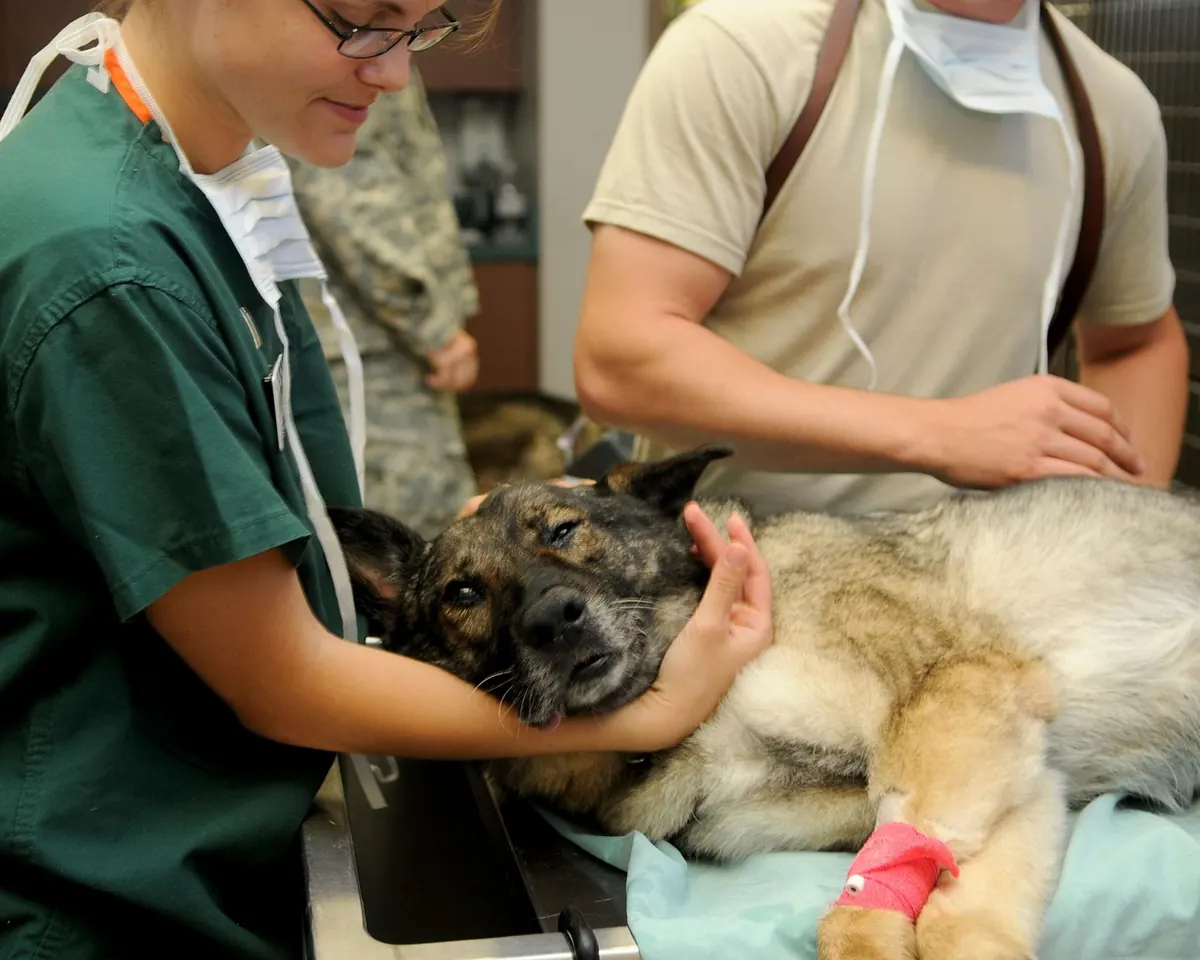
The first appointment is a general health check. The vet will weigh your dog, listen to the heart and lungs, check teeth, ears, eyes, coat and claws, run hands over the body for lumps, and ask about diet, toilet habits, behaviour and exercise. It's also your chance to raise anything you've noticed: a bit of limping after a long walk, a sensitive tummy, or a habit that's starting to worry you.
Costs vary widely depending on the practice, whether you're in a city or a rural area, and what's actually done on the day. A consultation fee, a vaccination, microchipping and a course of worming can all appear on the same bill. Rather than relying on figures you've seen online, ring two or three local practices and ask for their current prices for a new dog consultation and a full vaccination course.
Ways to spread the cost
- Ask about a pet health plan, where you pay a monthly amount covering vaccinations, flea and worm treatment and check-ups.
- Arrange insurance early, before your dog develops any condition that would be excluded.
- Ask whether the practice offers a puppy package, which often bundles the first visits at a lower price.
- Check what out-of-hours emergency care costs, so there are no surprises when it matters.
For anything involving your dog's health, or your own budget and insurance choices, treat the vet and your insurer as the people to ask. They know your dog's history and can give advice that fits your circumstances.
A note on emergencies
Find out now where you'd take your dog outside normal hours. Many Devon practices join forces on a shared rota, which may mean driving to a neighbouring town. Save the number in your phone, along with your own vet's number, and keep a rough idea of the route. It's the sort of thing you never want to look up in a hurry.
Getting settled with your new vet
Once registered, keep a simple folder — paper or on your phone — with vaccination dates, worming treatments, weight records and receipts. Book the next booster before you leave the appointment, and make a note of anything the vet wants to review. A good relationship with your local practice is built over years, not one visit, and it starts with that first phone call. Do it in your dog's first week home and you can get on with the important business of long beach walks and muddy paws.
Photo: 12019 / Pixabay